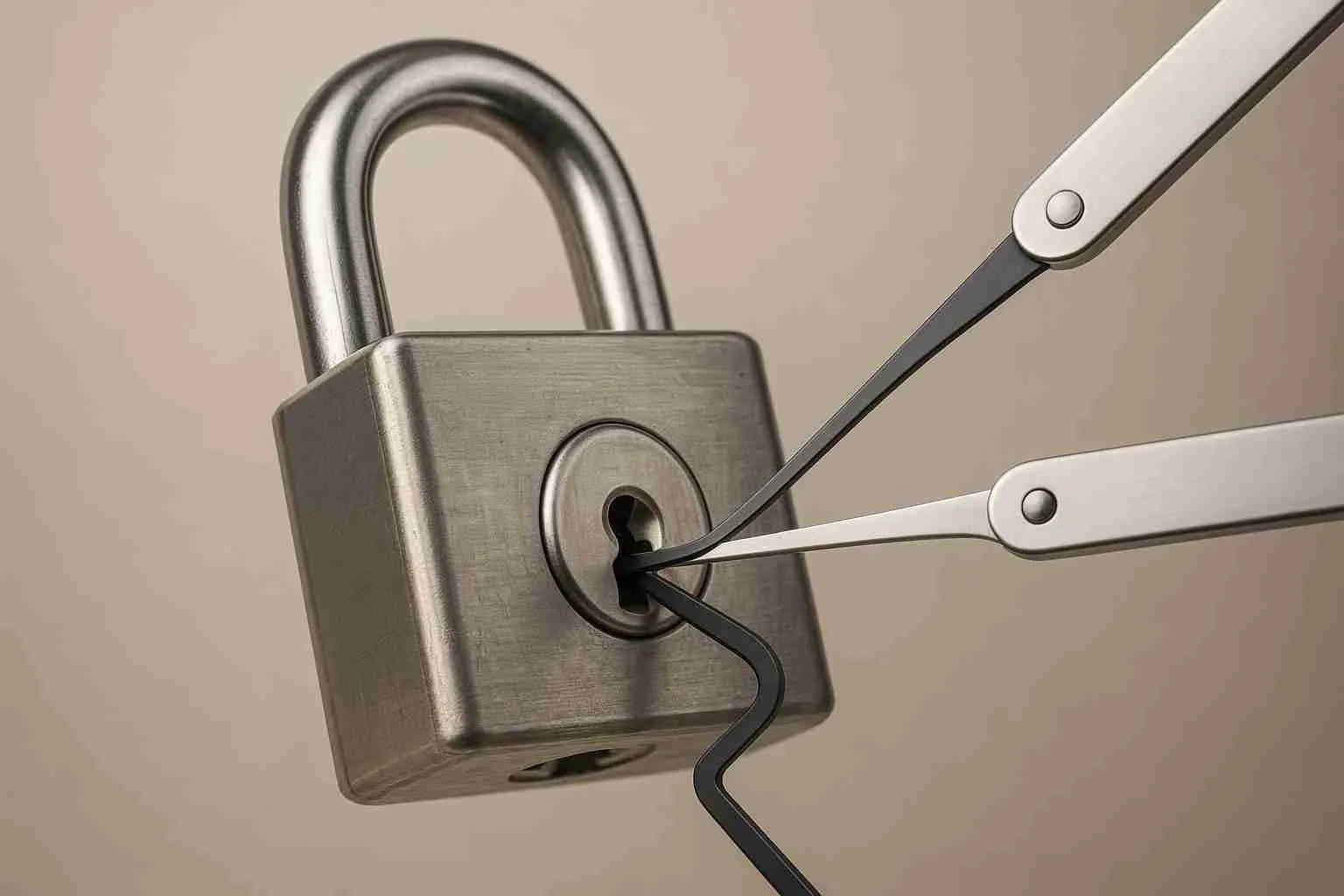
High-security locks are designed to resist picking, drilling, and forced entry, offering better protection than standard locks. But no lock is invulnerable. Here's what you need to know:
- Picking and Bumping: Even advanced locks can be picked or bumped, although features like anti-pick pins and bump-resistant mechanisms help reduce risk.
- Drilling and Physical Force: Hardened steel inserts and anti-drill plates improve resistance, but determined attackers can exploit weak points.
- Key Control Issues: Poor key management, expired patents, and mixing lock types can undermine security.
- Weather Damage: Moisture, rust, and extreme temperatures can weaken locks over time.
- Installation Errors: Misaligned locks, weak door frames, and DIY mistakes create vulnerabilities.
- Design Flaws: Overlooked weaknesses in lock design can allow bypass methods.
To improve security, choose locks with features like hardened materials, restricted keyways, and anti-pick mechanisms. Regular maintenance, professional installation, and a layered security approach (e.g., alarms, cameras) further enhance protection.
Abloy High-Security Lock EXPOSED: Picking, Guts, and Analysis
1. Lock Picking and Bumping Attacks
Even the most advanced locks can fall prey to techniques like lock picking and bumping, which exploit the internal mechanics of pin-tumbler systems. Lock picking involves using tools such as hooks, rakes, and tension wrenches to manipulate the internal components of a lock. On the other hand, bumping relies on a specially crafted "bump key" that, when tapped, temporarily aligns all the pins, allowing the lock to open. Recognizing these weaknesses is a critical step in creating a more secure defense system.
To combat these threats, high-security locks incorporate features like anti-pick pins, drill-resistant plates, and bump-resistant mechanisms. However, even these measures aren't perfect. Variations in manufacturing tolerances and design can leave some locks exposed.
Still, implementation is key. While some rated lock cylinders are nearly impervious to bumping, others can be compromised under certain conditions. Older or budget-friendly pin-tumbler locks are especially at risk due to outdated internal mechanisms. Even locks with high precision manufacturing can be vulnerable to bumping if they lack the necessary countermeasures.
The best way to protect against these attacks is to choose locks designed to eliminate these vulnerabilities altogether. Locks that rely solely on programmable side bars, rather than traditional top pins, are inherently bump-proof. Similarly, time locks, combination locks, and electronic systems that do away with physical pin mechanisms altogether offer strong protection.
For those still relying on standard pin-tumbler locks, upgrading to ANSI Grade 1 deadbolts is a smart move, since Grade 1 is the highest ANSI/BHMA grade. For picking resistance, though, look for a high-security rating such as UL 437, which tests for unauthorized opening by bypass, lock-picking, impressioning and destructive entry.
While bump-resistant features improve security, they aren’t a cure-all. Regular evaluations and thoughtful lock choices remain essential. Next, we’ll delve into the vulnerabilities posed by drilling and physical force attacks.
2. Drilling and Physical Force Attacks
High-security locks face their toughest tests when intruders abandon subtlety and rely on brute force. Drilling attacks aim to destroy or bypass the lock's internal mechanisms by directly targeting critical components. While manufacturers have introduced advanced defenses, resourceful attackers keep developing new methods to overcome them.
The backbone of drill resistance is hardened steel. Modern high-security locks feature components like hardened steel inserts, anti-drill plates, and reinforced cylinders specifically designed to resist drilling attempts. These locks undergo rigorous testing against prying, hammering, and wrenching, with an ANSI Grade 1 rating marking the highest standard for withstanding physical attacks.
Leading brands such as Schlage, Yale, SARGENT, Medeco, Mul-T-Lock, and Corbin Russwin incorporate UL437-rated designs. These include features like free-rotating plugs, telescoping pins, and chisel-point pins to counter drilling techniques.
However, no lock is entirely immune. Attackers have refined their drilling techniques to exploit weak points in lock construction. The goal of a high-security lock isn’t to be completely unbreakable but to make physical attacks so costly and time-consuming that they deter most attempts.
Physical force attacks go beyond drilling and include methods like sawing, prying, and impact strikes. High-security locks combat these tactics with features such as hardened steel shackles that resist cutting and sawing. Additional defenses, like ball bearings, anti-drill pins, and reinforced strike plates, add layers of protection. These engineering advancements make high-security locks far more resilient than standard options.
High-security cylinders, built with hardened steel pins, are specifically designed to endure extreme physical assaults. UL 437 tests locks and cylinders for unauthorized opening by bypass, lock-picking, impressioning and destructive entry. Durability is a separate measure: Grade 1 bored locks are cycle-tested to 1,000,000 cycles.
That said, even the strongest lock can fail if the surrounding installation is weak. Attackers often exploit vulnerabilities in door frames, strike plates, or mounting hardware instead of the lock itself. This highlights the importance of professional installation.
Regular maintenance is another critical factor in maintaining drill resistance over time. Routine inspections and lubrication help internal components function smoothly, reducing wear that could lead to new vulnerabilities. For example, using graphite-based lubricants can prevent parts from sticking, preserving the lock's performance and integrity.
Next, we’ll explore how inadequate key control systems can undermine overall security.
3. Poor Key Control Systems
Even the most advanced locks can fall short if key management is mishandled. Key control systems serve as the backbone of physical security, but they’re often the weakest link in the chain.
Take restricted keyways, for instance. These systems depend heavily on strict administrative oversight. However, their security can wane over time, especially once their keyway patents expire (usually after about 20 years), making key blanks widely accessible . The problem worsens when organizations use a mix of lock types without a unified key management strategy.
Mixing high-security and standard cylinders in the same facility is another common pitfall. This creates vulnerabilities because the overall system is only as strong as its weakest component. To make matters worse, poor key tracking can allow old or misplaced keys to resurface, potentially bypassing security measures. Even "Do Not Duplicate" markings on keys offer little protection on their own.
The consequences of poor key control can be severe. It increases the risk of theft, property damage, and data breaches. In industrial environments, it can lead to safety violations, jeopardizing equipment and personnel. Advanced techniques like key copying, machining, and lock picking further threaten restricted keyways.
Proper installation and ongoing oversight are essential to maintaining a secure key control system. Roadrunner Lock and Key in Albuquerque, NM, sets up master key systems and rekeys commercial locks.
A strong key control strategy requires a multi-layered approach. This includes formal authorization procedures, detailed tracking systems, secure storage for keys, and regular audits. For example, any key requests should require written authorization on company letterhead, with approvals limited to senior management or designated security personnel.
For an added layer of protection, electronic access control systems can replace traditional keys. These systems reduce duplication risks, provide detailed audit trails, and allow for instant access revocation when needed.
Up next, we’ll dive into how environmental factors can weaken lock security even further.
4. Weather and Corrosion Damage
Weather conditions and environmental factors can wreak havoc on even the most advanced lock systems. Rain, snow, humidity, and extreme temperatures all take a toll over time, gradually wearing down lock mechanisms and potentially compromising security.
Take cold weather, for instance. When moisture seeps into a lock and freezes, it can jam the mechanism and make the metal brittle. On the flip side, high temperatures can expand metal components, misaligning mechanisms and even warping doors or frames.
Humidity and moisture are especially problematic. When moisture gets inside a lock, it can trigger oxidation, leading to rust. In coastal areas, where salty air accelerates corrosion, the problem becomes even worse.
Rain and snow only add to these challenges by allowing water to enter lock mechanisms directly. This can result in rust, frozen internal parts, or swollen components that disrupt smooth operation. Wind can also carry dust and debris into locks, clogging cylinders and further reducing performance.
Even sunlight can cause damage. Prolonged exposure to UV rays can discolor lock finishes.
High-security locks, while offering better protection, are not immune to environmental stress. These locks often contain intricate internal components that are more prone to mechanical failure under harsh conditions. On the other hand, cheaper locks, often made from less durable materials, are even more vulnerable to wear and corrosion.
Material choice is key to weather resistance. Stainless steel, especially Types 316 and 316L, provides better protection against corrosion compared to the more commonly used Type 304. Chrome-plated zinc and brass, which naturally resist corrosion, are also good options for outdoor use.
Regular upkeep is essential to combat environmental damage. Monthly inspections can catch early signs of wear, while lubricating the lock with graphite-based or silicone-based products helps protect moving parts. Applying rust-inhibiting lubricants every few months further shields locks from moisture. These steps are especially critical in harsh environments where weather can amplify installation flaws, leading to even greater security risks.
In Albuquerque, NM, where temperature extremes and dust are common, investing in weather-resistant solutions can go a long way in maintaining reliable security.
5. Installation Errors and Security Gaps
Even the most advanced high-security locks can fail to deliver proper protection if they aren’t installed correctly. Poor installation can lead to weaknesses that intruders may exploit.
For example, misaligned locks can prevent the bolt from fully engaging, leaving gaps between the latch and strike plate. This not only reduces the lock’s effectiveness but also increases wear and tear over time.
Using lower-grade hardware, such as Grade 3 locks or single-sided deadbolts on doors that require stronger protection, further compromises security. Additionally, mistakes like drilling in the wrong spot, using an incorrect hole size, or drilling completely through the door can weaken its structure and make forced entry easier.
One often overlooked but critical component is the strike plate. Without long screws anchoring it securely to the door frame, even a well-installed lock can fail under a kick-in attack.
DIY installations can also lead to serious vulnerabilities.
The door frame plays a crucial role in overall security, because a weak frame can fail even when the door and lock are strong.
For maximum protection, security door frames should be reinforced with strong jambs, welded seams, and security fasteners. The surrounding wall construction also matters, a weak wall can render even the most secure door and frame combination ineffective.
Another common issue arises from mismatched materials or door thicknesses. These incompatibilities might not seem like a big deal initially, but they can create long-term vulnerabilities.
In areas like Albuquerque, where environmental factors can add to the challenges, professional installation helps make sure locks are installed correctly and perform as intended.
6. Design Flaws and Bypass Methods
Even the most advanced high-security locks can have design flaws that intruders might exploit. A significant factor behind many of these weaknesses is something known as "insecurity engineering." This term refers to a failure in the design process to anticipate how bad actors might bypass a system's defenses.
These design flaws often align with physical exploitation techniques, further reducing a lock's effectiveness.
Manufacturing defects also play a role in creating vulnerabilities. Small issues, like actuator or bolt imperfections, can allow bypass tools to manipulate locking mechanisms. Even slight tolerance gaps can provide enough space for tools to compromise the lock, undermining its core purpose.
Many people assume that patents or strict standards guarantee security, but a patent is granted for an invention that is new and useful, not for proving that a lock is secure.
Similarly, meeting standards like UL, BHMA, or VdS does not guarantee absolute protection, they serve as benchmarks but not comprehensive solutions.
Hybrid attacks, which combine techniques like shimming, latch slipping, and keyway bypass, highlight the need for more thorough security evaluations during the design phase.
For property owners in Albuquerque and nearby areas, understanding these design vulnerabilities is essential when choosing security hardware. By tackling design flaws head-on, property owners can improve both the durability of their locks and the overall security of their property.
High-Security Lock Feature Comparison
When it comes to securing your property, understanding how different lock features counter specific vulnerabilities is key to making smart decisions. High-security locks are designed to address various weaknesses, and their effectiveness often hinges on both design and quality. Here's a closer look at how specific features tackle common threats.
Anti-Pick Mechanisms are a cornerstone of high-security locks. These systems use intricate keyways and specially designed pin configurations to fend off traditional lock-picking attempts. For example, Medeco3 cylinders carry UL437 and ANSI/BHMA A156.30 Level A ratings, which attest to their resistance against both picking and physical attacks. The UL 437 listing covers resistance to bypass, picking, impressioning and destructive entry such as drilling.
Hardened Materials and Anti-Drill Components are crucial for protecting against brute-force attacks. High-security locks often include hardened steel inserts and anti-drill plates to shield vulnerable areas of the cylinder. These materials are tested to withstand drilling, snapping, and other destructive entry methods that would compromise standard locks.
Restricted Keyways and Key Control Systems help combat unauthorized key duplication and picking. Restricted keyways make it harder to pick locks and prevent unauthorized duplication through patented key control systems. A great example is the Sargent XC Series, which uses a side pin mechanism and specially milled keys to counteract picking vulnerabilities. This technology is widely used in SARGENT products, such as mortise locks, auxiliary locks, and access control systems.
| Security Feature | Protects Against | Effectiveness Level | Ideal Use Case |
|---|---|---|---|
| Anti-Pick Pins | Lock picking, manipulation | High | Commercial, high-security residential |
| Hardened Steel Inserts | Drilling, physical force | High | Areas needing drill resistance |
| Restricted Keyways | Unauthorized duplication, picking | High | Commercial, institutional |
| Anti-Bump Features | Bump key attacks | High | Residential, light commercial |
| Trap Pins | Advanced picking techniques | High | Specialized security applications |
Anti-Bump Features are designed to counteract bump key attacks. They achieve this by incorporating trap pins, tight tolerances, or uniquely shaped keyways that disrupt the bumping process.
Grade Classifications provide a way to match locks to specific needs. The BHMA grades locks into three categories: Grade 1 for high-traffic commercial areas requiring the highest security, Grade 2 for medium-traffic spaces like small offices, and Grade 3 for basic residential or low-traffic commercial use.
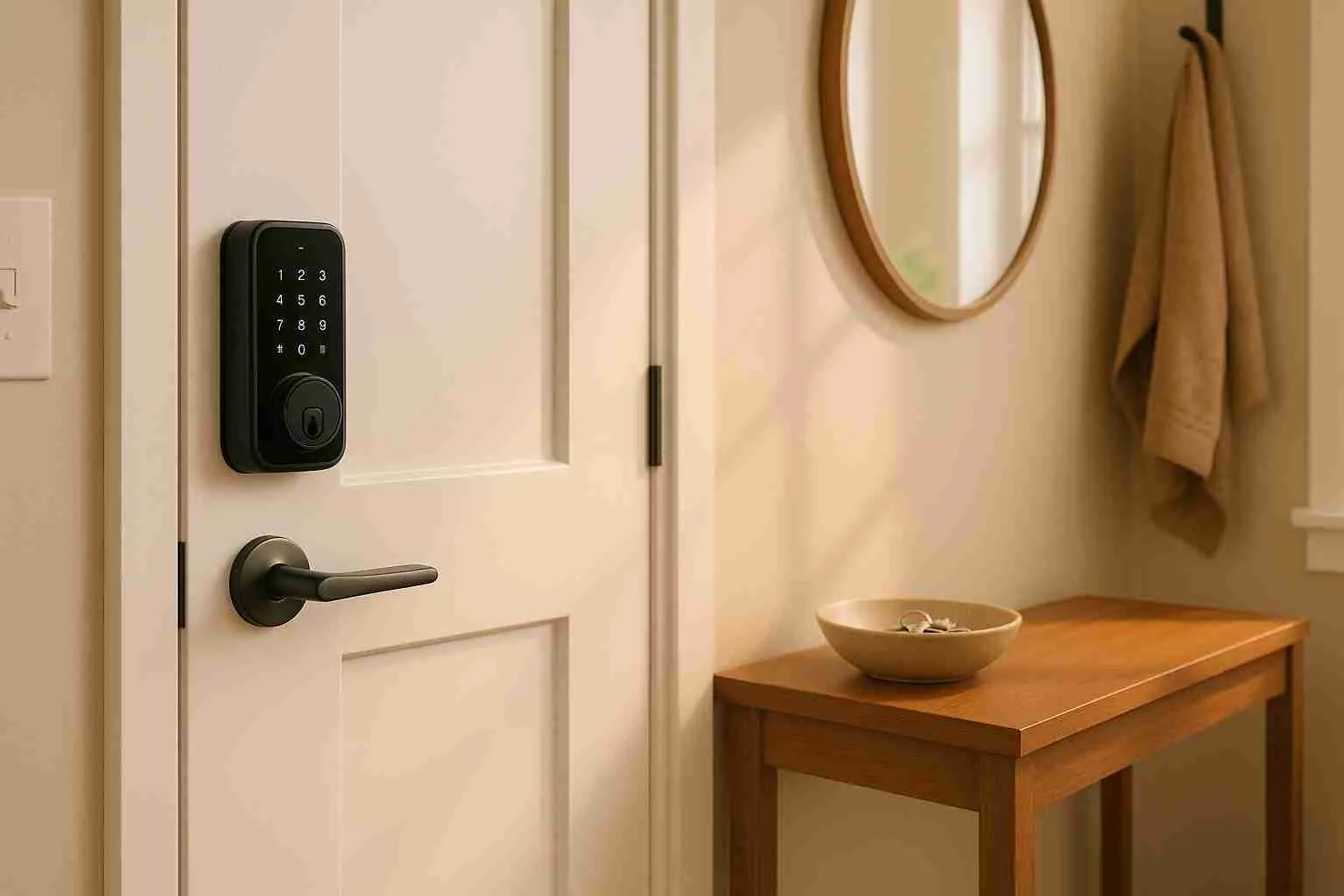
Modern Integration Features bring traditional mechanical locks into the digital age. For instance, the Schlage Encode Plus supports Apple home keys. This feature allows users to lock or unlock doors with a simple tap of their iPhone or Apple Watch. These advanced systems also offer remote access and seamless integration with broader security setups, adding an extra layer of convenience and control.
For property owners in Albuquerque, understanding these features can help pinpoint which upgrades offer the best protection.
Of course, the ultimate effectiveness of any lock depends on proper installation and its integration into a broader security strategy, which might include access control, video surveillance, and intrusion alarms.
Conclusion
High-security locks are built to resist sophisticated attacks, but they’re not without their flaws. As we've discussed, vulnerabilities like advanced picking methods, bumping, drilling, poor key control, weather-related wear, faulty installations, and design issues can still compromise these systems.
Getting a professional evaluation is crucial to spot potential weak points before they lead to a breach. Regular security audits can uncover signs of tampering, worn components, or outdated hardware that might put your property at risk.
When upgrading your locks, expertise is key to ensuring proper installation and functionality. High-security locks typically range from $100 to $300, with installation costs between $50 and $150. While they come at a higher price compared to standard locks, the added protection they offer makes them a worthwhile investment.
For property owners in Albuquerque, Roadrunner Lock and Key installs high-security deadbolts and handles rekeying and master key systems.
Take action today, upgrading your security and scheduling regular maintenance keeps your protection a step ahead of evolving threats.
FAQs
No question matches that. Call or text (505) 347-2895 and ask it.

Roadrunner Lock and KeyAnswers from the shop
Open 24/7
Pick a question, or search above. You get the straight answer, the way we would give it on the phone.
What features should a high-security lock have to protect against picking and bumping?
When selecting a high-security lock, it's important to focus on features that are built to counter common break-in methods like picking and bumping. Look for locks with anti-pick mechanisms and bump-resistant designs that use security pins or specially designed keyways. These features make it much harder for intruders to manipulate the lock.
For added protection, consider locks with hardened steel inserts, which make drilling through the lock nearly impossible. Patented key control systems are another key feature, they help prevent unauthorized duplication of your keys, giving you greater control over access to your property.
Some locks also include trap pins, which provide an extra layer of defense against tampering. Precision engineering with tight tolerances can make locks more secure by reducing vulnerabilities, while anti-snap zones are designed to resist forced entry attempts. Together, these advanced features create a lock that offers strong security and helps safeguard your home or business.
Roadrunner Lock and Key
What’s the best way to ensure high-security locks are installed correctly to avoid vulnerabilities?
Proper installation is crucial to making sure your high-security locks work as intended and stay secure over time. The best way to achieve this is by having a professional locksmith handle the installation. They’ll make sure the lock is aligned perfectly with the door frame, securely attached, and properly adjusted to avoid any misalignment or looseness that could compromise its effectiveness.
Trying to install these locks yourself can lead to mistakes that might leave your property vulnerable. Instead, rely on a trusted locksmith to take care of it. Not only does professional installation boost your security, but it also helps your lock system last longer, providing both reliability and peace of mind.
Roadrunner Lock and Key
How can I keep my high-security locks in good condition and protect them from environmental damage?
To keep your high-security locks in great shape, make it a habit to clean them with a soft, damp cloth. This helps clear away dirt and debris that can accumulate over time. To protect against rust and corrosion, apply a rust-resistant lubricant like graphite spray or white lithium grease, especially if you live in a humid area or near the coast where salty air can be an issue.
You can also take extra precautions by using weatherproof covers and sealing any gaps around the locks with weather stripping or caulking. This helps keep moisture and debris at bay. Make sure to check your locks regularly for wear or damage, and take care of any problems right away. These straightforward maintenance tips can go a long way in prolonging the life of your locks and ensuring they stay secure, even in tough conditions.
Roadrunner Lock and Key
3 questions